
Noobs in Combat Mortar Stats, Tactics, and Upgrade Paths
The Noobs in Combat mortar is a two-man infantry artillery unit designed to suppress foot soldiers and clear ground traps. Moving two tiles per turn, it fires two explosive shells through forward radio spots to pin infantry lines.
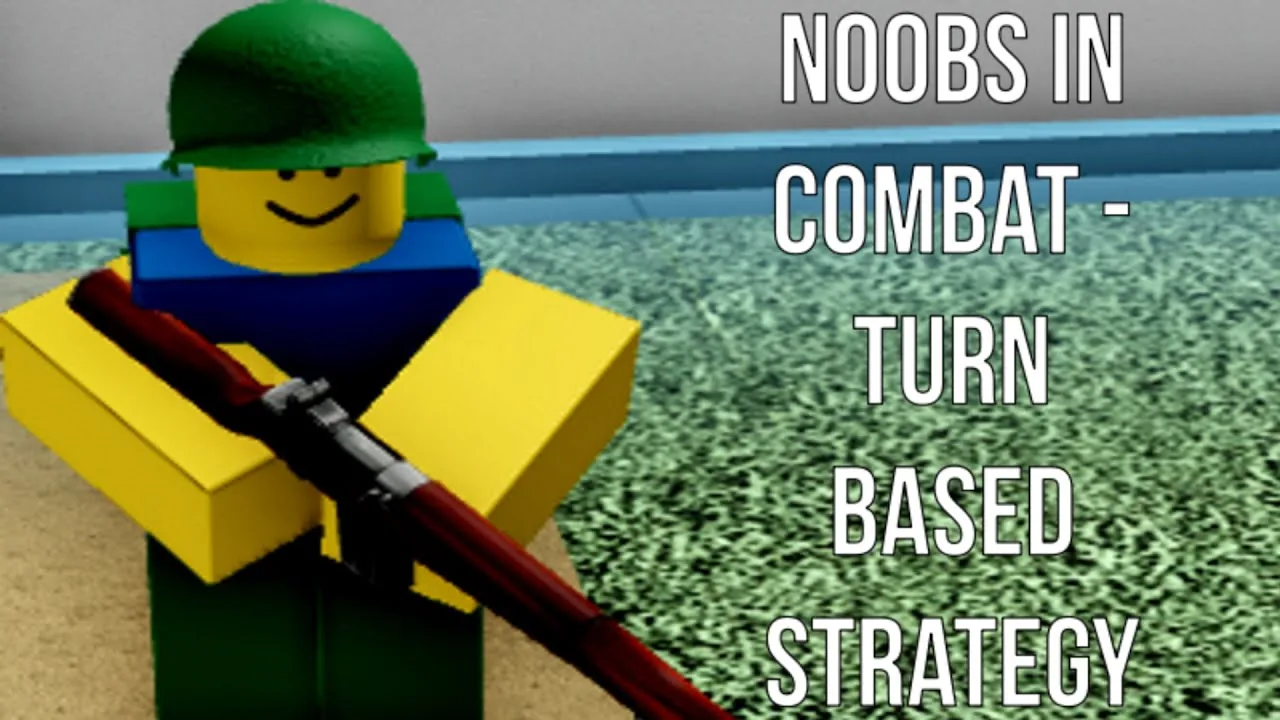
The Noobs in Combat mortar is a two-man infantry artillery unit designed to suppress foot soldiers and clear ground traps. Moving two tiles per turn, it fires two explosive shells through forward radio spots to pin infantry lines.
Mortar Team Attributes and Movement Rules
The Mortar Team consists of two soldiers deployed together on the field: one crewman operating the tube and a second soldier equipped with a radio set. Unlike standard wheeled or towed artillery pieces such as the field gun, this crew utilizes infantry mobility rules. It maintains a standard speed of two tiles per turn and can cross forested tiles without the movement penalties that restrict motorized divisions. It can also walk directly through allied vehicle squares.
Because the crew carries infantry status, it possesses the Capture perk. This allows a Mortar Team to secure neutral structures, capture production depots, or claim forward outposts by ending adjacent to them and entering on subsequent turns. Starting update 3.1.6, mortar crews gained the ability to move and fire within the same turn. However, their health pool is minimal. Direct engagement with enemy rifles or machine-gun fire quickly eliminates the squad.
Radio Mechanics and Firing Coordination
Mortars operate primarily as indirect fire support, lobbing high-explosive ordnance across obstacles without requiring direct line of sight. To strike targets at range, the mortar requires another friendly unit with an active radio to establish line of sight and transmit coordinates.
When a spotter marks a target, the Mortar Team delivers a two-shell barrage. This salvo deals steady morale suppression, pinning hostile squads in place and stripping defense bonuses so advancing teammates can clear them out. A mortar can also target tiles containing Sapper traps, detonating ground hazards safely before frontline trucks or foot soldiers step forward.
Selecting spotters requires attention to operational distance. Basic riflemen carry a short radio reach of one tile, forcing them dangerously close to the enemy. Units like Grunts or specialized recon units provide wider signaling perimeters, preventing spotters from getting pinned down while relaying strike commands.
Early Artillery Selection
Choosing indirect fire support depends on the terrain, budget, and intended targets in your operational sector.
| Artillery Option | Best Combat Role | Operational Trade-Off |
|---|---|---|
| Mortar Team | Clearing entrenched infantry and Sapper traps on rugged maps | Ineffective against armored hulls and easily eliminated by counter-battery fire |
| Field Gun | Direct fire against light armor and long-range static bombardments | Towed mobility restricts repositioning speed across contested ground |
| Rocket Battery | Area-of-effect strikes covering five-tile infantry groupings | Imprecise spread risks striking friendly spotters standing too close |
Tactical Deployment and Countermeasures
Mortar crews excel in defensive standoffs and methodical forward pushes where enemy foot soldiers shelter behind trenches, trees, or urban cover. Because their shells inflict high morale shock, firing on an approaching hostile squad frequently forces a retreat or leaves them pinned, preventing return fire.
Their primary weakness is an inability to pierce armor. Tanks and combat vehicles absorb mortar detonations with negligible structural loss. Leaving a mortar squad without anti-tank support exposes your artillery line to rapid collapse against light armor pushes. Positioning mortar crews directly behind defensive ranks or inside tree lines shields them from direct sniper sights while retaining line-of-sight relays for indirect fire.
Supply maintenance is relatively simple compared to heavy batteries. While large guns drain ammunition pools rapidly, the mortar consumes modest munitions. A standard supply wagon or supply truck can sustain multiple mortar squads throughout prolonged engagements.
Progression and Branch Evolutions
The Mortar Team is accessible early in the towed weapons branch of the tech tree, branching from anti-infantry options and functioning as a base unlock for indirect fire specialists. Deploying the squad in campaign scenarios yields experience points based on combat performance and mission victory conditions.
Accumulating unit experience allows players to evolve the baseline mortar crew into more durable variants:
- Mortar Halftrack: Mounts the mortar weapon system onto a motorized chassis, increasing durability and allowing faster transport along paved road networks.
- Heavy Mortar: Increases the explosive radius and damage output of each shell, trading low deployment expense for heavier suppression power against dug-in enemy formations.
For players building a tailored artillery loadout in campaign scenarios or pvp skirmishes, starting with the base Mortar Team provides cheap, mobile suppression while keeping ticket expenditures low for armored tanks later in the round.
Next step
Radio Tech
Examine Radio Tech combat roles, strike mechanics, survivability limits, and tactical deployment matchups in Noobs in Combat.