
Noobs in Combat Radio Tech Unit Guide and Deployment Strategy
The Radio Tech in Noobs in Combat is an endgame special infantry unit introduced in update 4.3.0 that delivers high-damage missile strikes. Operating as a fragile glass cannon, the unit balances devastating targeted artillery power against low health and a two-turn attack cooldown.
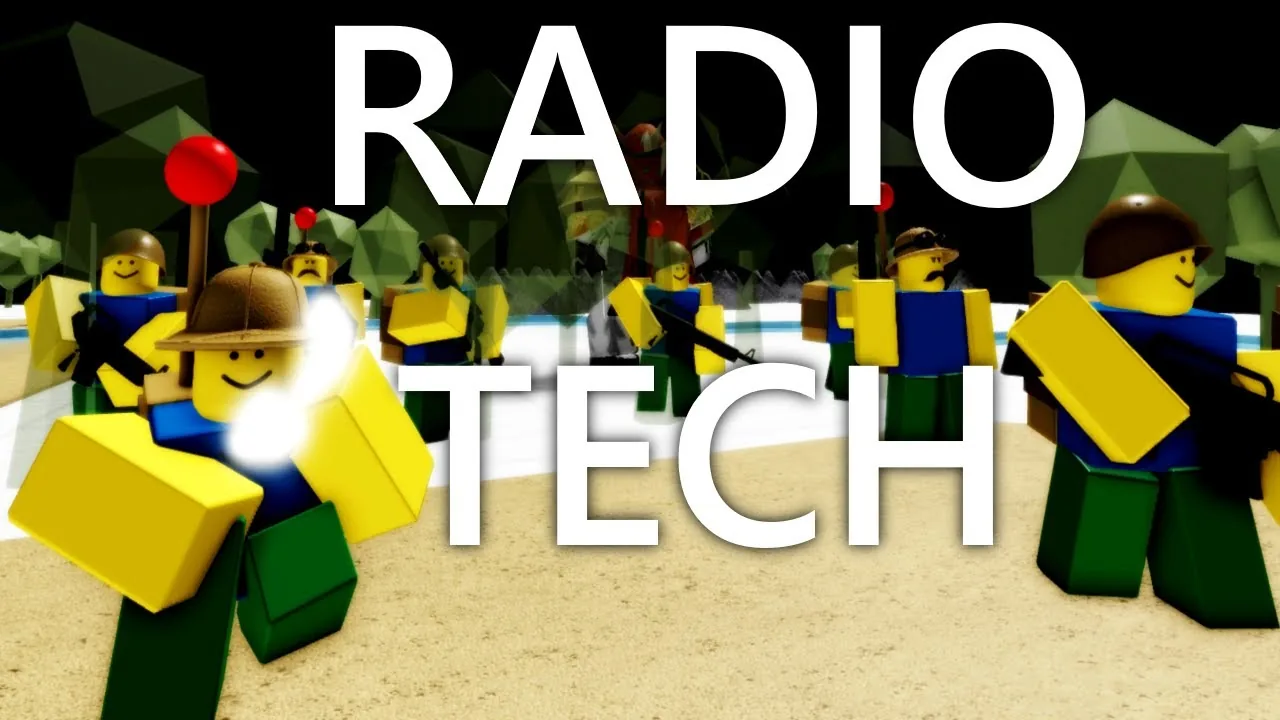
The Radio Tech in Noobs in Combat is an endgame special infantry unit introduced in update 4.3.0 that delivers high-damage missile strikes. Operating as a fragile glass cannon, the unit balances devastating targeted artillery power against low health and a two-turn attack cooldown.
Unit Overview and Attack Mechanics
Added during the 4.3.0 update, the Radio Tech occupies a niche within the special category on the tech tree. Unlike conventional infantry carrying support radios for external artillery batteries, the Radio Tech commands its own direct call-in strike. The unit operates with a telephone handset model, summoning concentrated missile barrages onto target coordinates.
The attack profile features high offensive damage capable of striking enemy outposts, hardened vehicles, and clustered formations. When targeting an objective, the ability functions as an area-of-effect bombardment that damages the primary target and adjacent hostile squads. An alternate centralized strike option allows players to focus all firepower directly onto a single designated grid square.
The primary operational constraint is firing frequency. Executing a strike places the Radio Tech on a strict two-turn cooldown, during which the unit cannot call down further fire. This lengthy recovery window requires careful timing, as firing at low-priority infantry leaves the unit defenseless while waiting for the ability counter to reset.
Durability and Resupply Constraints
Offensive firepower comes at the expense of survivability. The Radio Tech possesses minimal health, making it susceptible to being eliminated in a single turn by hostile fire. Light vehicles, frontline riflemen, and enemy snipers can eliminate an exposed operator before the strike order executes. Because terrain sightlines dictate combat safety, deploying the unit into open ground usually results in rapid squad loss.
Positioning near supportive cover remains mandatory for survival. When advancing across varied terrain, players must account for map geometry. Movement tests demonstrate that positioning an infantry unit on steep incline tiles can occasionally trigger supply delivery bugs, preventing transport units or supply vehicles from restoring ammunition or health. Keeping the unit on flat ground adjacent to logistical vehicles ensures steady replenishment after an attack.
Because of its steep deployment cost, replacing a fallen Radio Tech places strain on field resources. Losing the unit to an unexpected ambush from unspotted forested tiles removes an expensive asset from the turn order without returning equal combat value.
Tactical Selection and Artillery Alternatives
Choosing between direct missile specialists and standard artillery depends on map layout, movement requirements, and resource availability.
| Unit Option | Tactical Situation | Strategic Cost |
|---|---|---|
| Radio Tech | Eliminating isolated heavy targets or fortified outposts | High deployment cost, low durability, and a two-turn attack cooldown |
| Rocket Battery | Sustained area suppression across defensive positions | Static placement requirements and reduced mobility |
| Standard Grunts | Routine artillery spotting and neutral building capture | Limited individual damage and vulnerability to armored vehicles |
Compared to a static artillery emplacement, the Radio Tech offers mobile deployment without requiring fixed towing setups. However, standard towed batteries fire every turn when supplied, whereas the Radio Tech remains idle throughout its cooldown cycle. Using the unit purely for routine radio spotting provides no advantage over basic infantry squads, making direct strikes its only cost-effective function.
Campaign Deployment and Tactical Pairing
Deploying the Radio Tech in high-difficulty environments such as polar region on tryhard mode requires protective screening. Hostile enemy AI units frequently charge defensive lines with heavy resistance. Relying entirely on a Radio Tech to stop advancing threats leads to line collapses because the two-turn cooldown cannot match aggressive enemy advance rates.
Effective operational squads position frontline infantry ahead of the Radio Tech to absorb incoming fire, reveal hidden units in treelines, and anchor defensive choke points. Armored vehicles such as the battle tank draw anti-armor fire away from fragile operators. Once enemy armor or fortified outposts halt at defensive lines, the Radio Tech moves into firing distance, executes a centralized barrage, and steps back behind friendly lines to wait out the cooldown.
Next step
Riflemen Overview
Review combat stats, radio ranges, unit evolutions, and tactical loadout pairings for basic Riflemen squads in Noobs in Combat.
Related Guides
SMG Squad Guide
Examine SMG Squad stats, ability mechanics, terrain synergies, and loadout strategies to secure objectives across PvP and campaign matches.
Supply Runners
Examine transport vehicles and logistics units in Noobs in Combat, comparing production costs, movement capacity, and field deployment roles.